




Get an overview of our footprint
Climate action

Greenhouse gases
The development of our carbon footprint
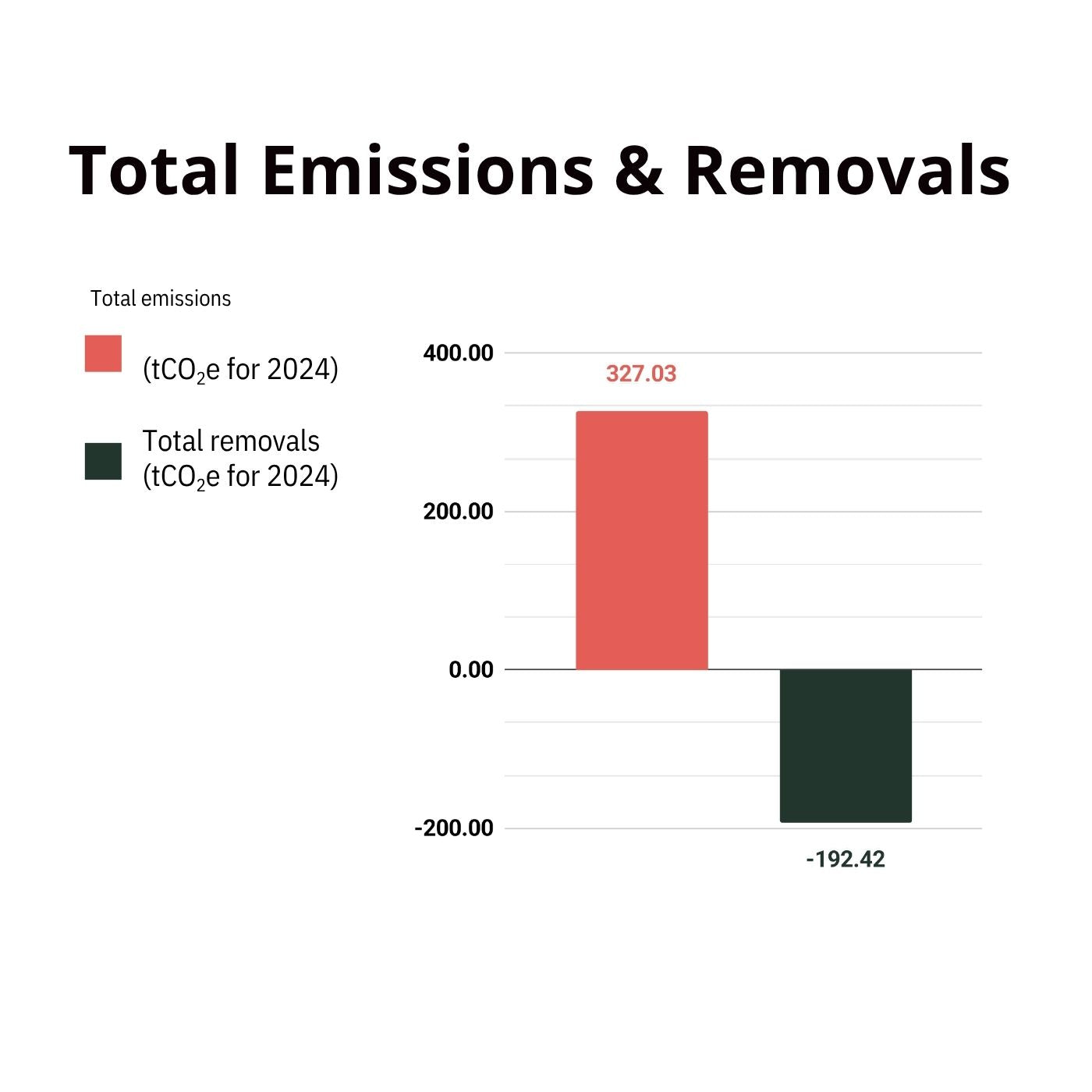
192.4 tonnes of CO₂e. That is the total amount of negative CO₂e in 2025 (e.g., absorbed in forests) – but with an important footnote:
Our total emissions (i.e., positive CO₂e) ended at 327 tonnes of CO₂e, which is higher than last year, when our total CO₂e balance was actually negative.
There is a reason for this:
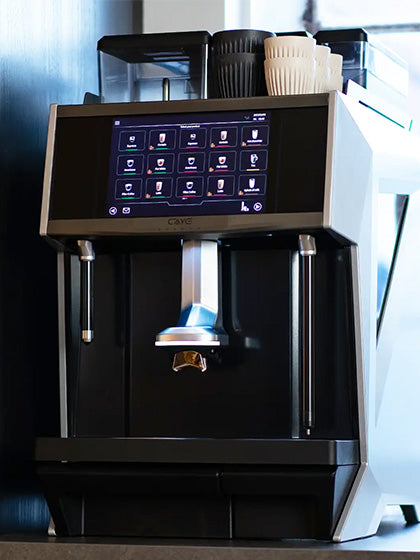
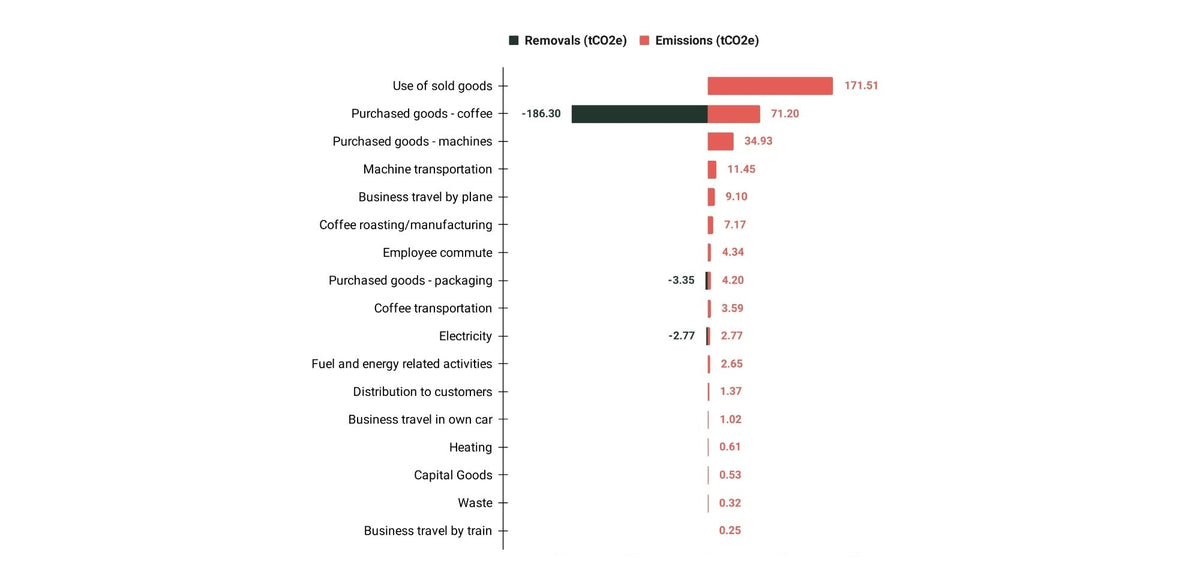
In 2025, we began selling our espresso machines from Caye, and they are truly wonderful. However, the machines require a lot of energy and have a footprint in production, transport, and use alike.
At the same time, we have, however, reduced emissions from, among other things, packaging, distribution, and electricity, despite growth in both production and deliveries.
Third-party verification
In 2025, our emissions reduction targets were validated by the SBTi.
We are SBTi-validated with climate targets in line with the 1.5°C goal.
However, with an important detail from SBTi’s own disclaimer: An SBTi validation is an intention of future reductions – not a guarantee or documentation of actual actions.
How Clevercoffee does it
3 principles for climate action



CleverCoffee's climate accounting
Our 2025 climate accounts
Find our full climate report in the latest Transparency Report.
The total result for 2025 is:
We have emitted 327.03 tonnes of CO2e
We have absorbed 192.42 tonnes of CO2e
From minus to plus
How does the CO2 accounting work?
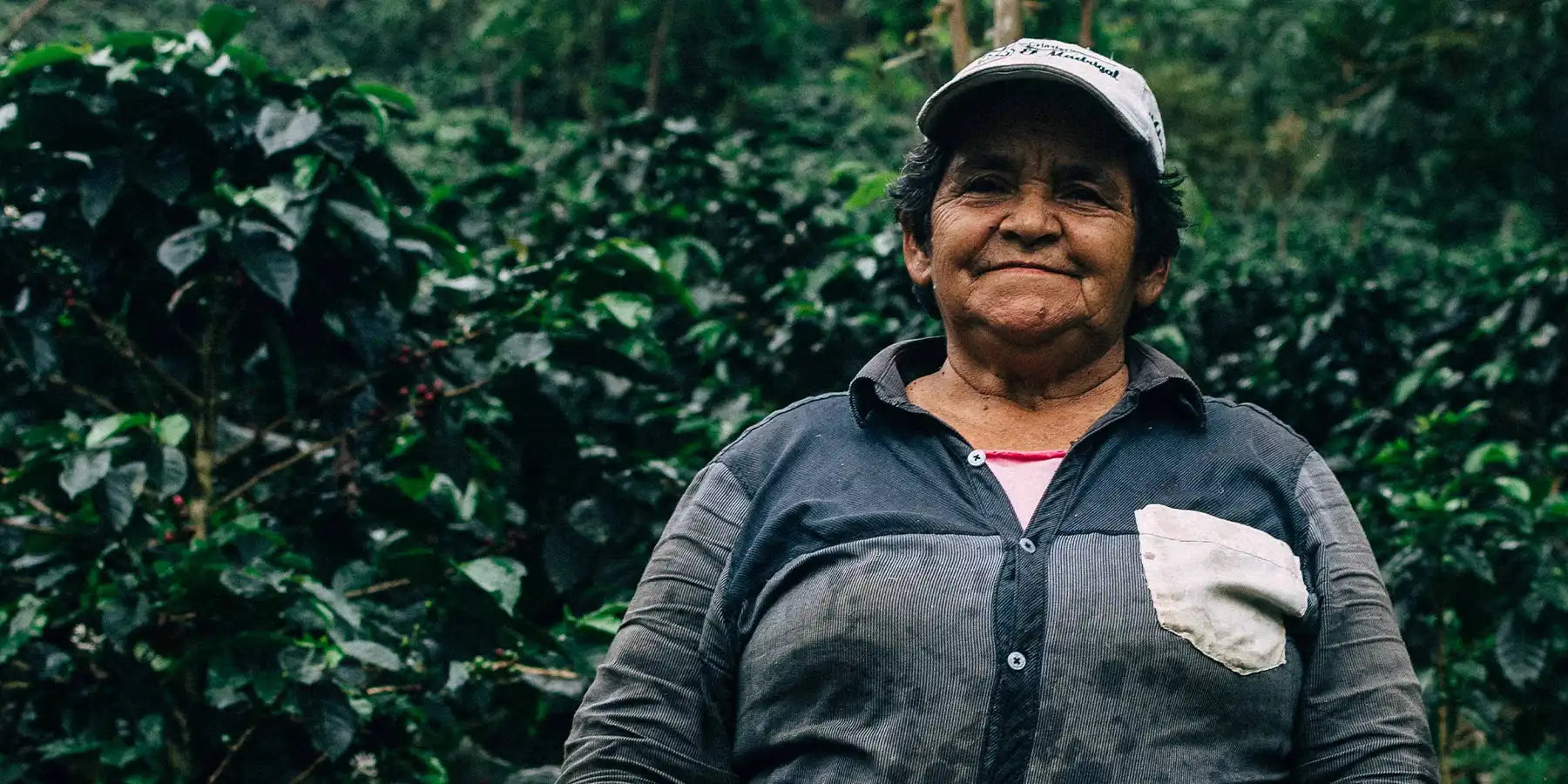
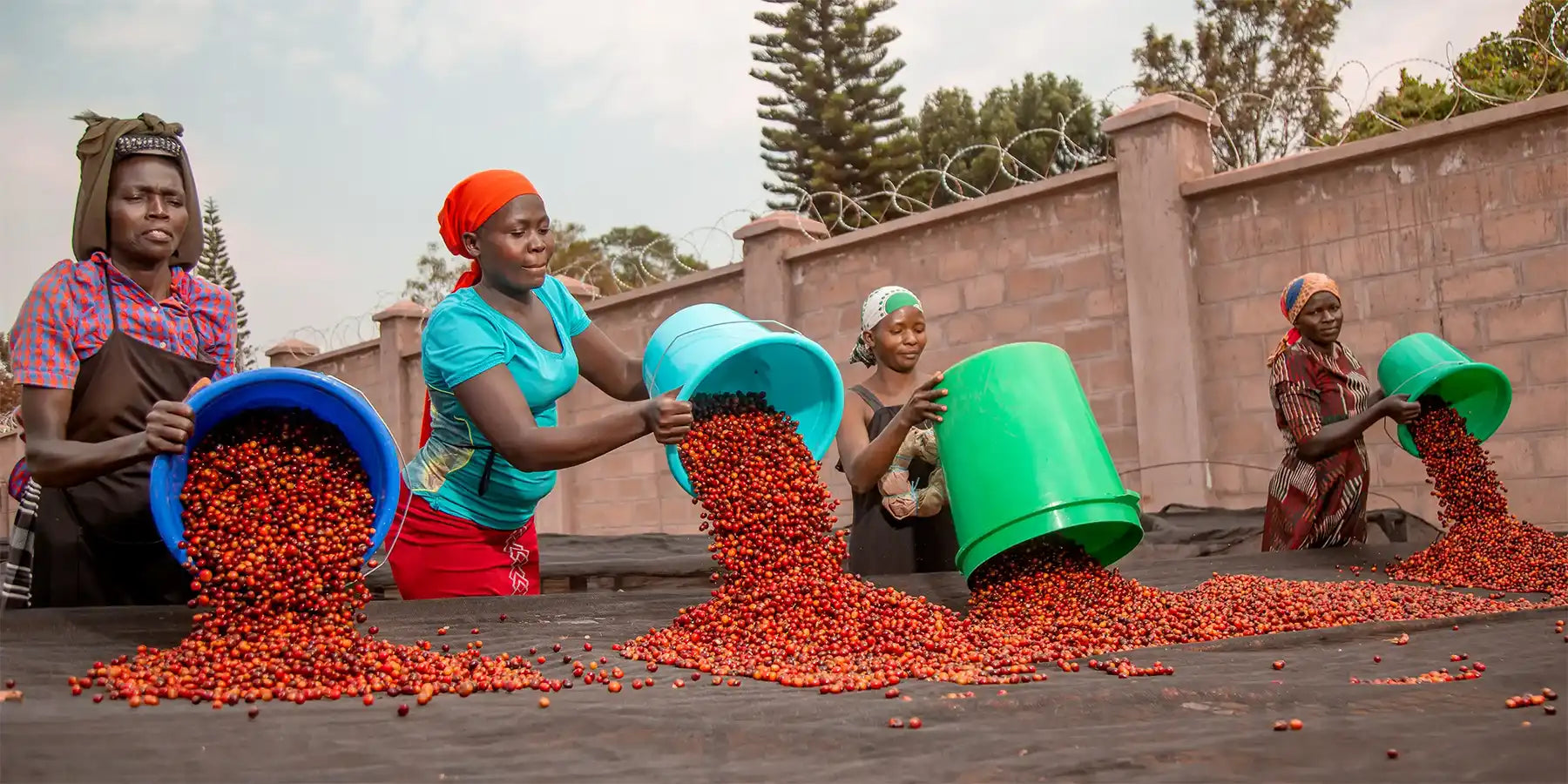
In 2024, we succeeded in sequestering more CO2e than we emitted, largely thanks to the significant sequestration taking place on the coffee farms we partner with.
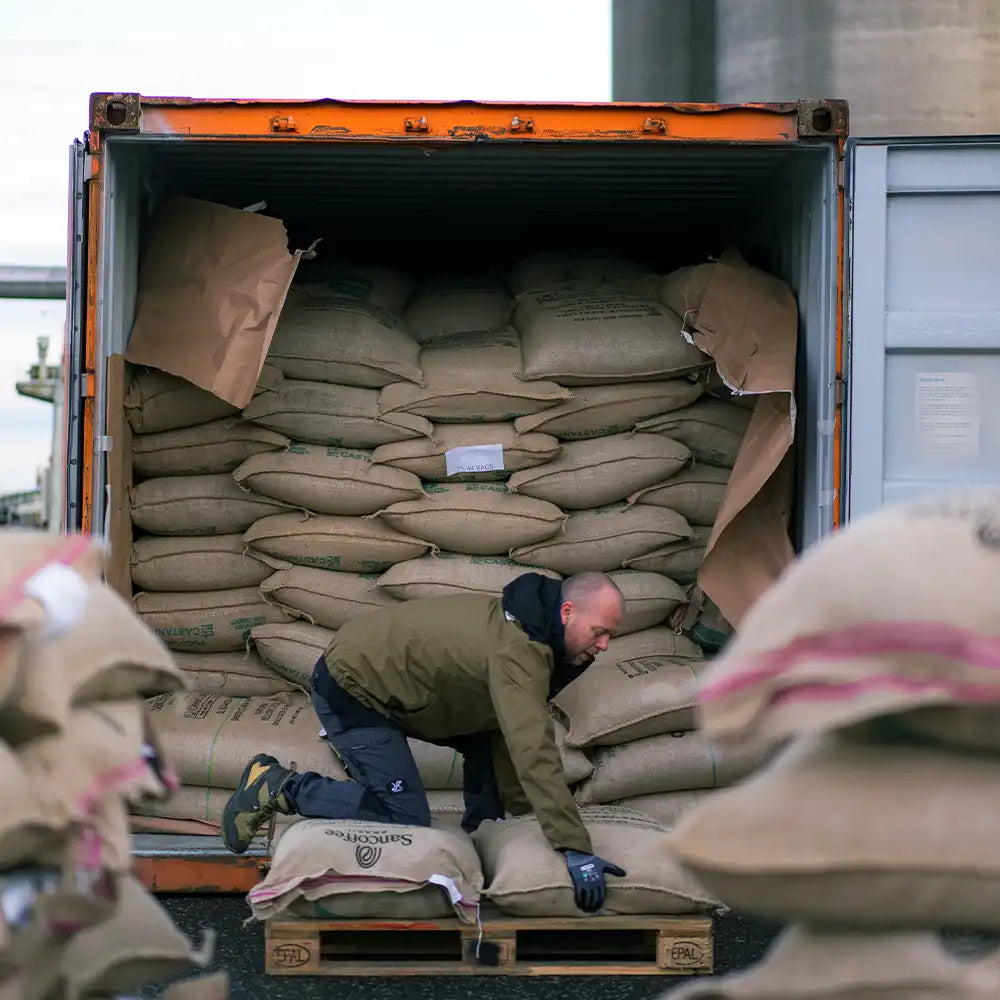
In 2025, our emissions profile changed drastically as we began selling Caye machines. A fully automatic coffee machine is both complex and energy-intensive to manufacture, so selling them has driven our Scope 3 emissions to new heights.

Agroforestry and shade grown coffee
Regenerative agriculture
Coffee is grown in many different ways - some more harmful than others.
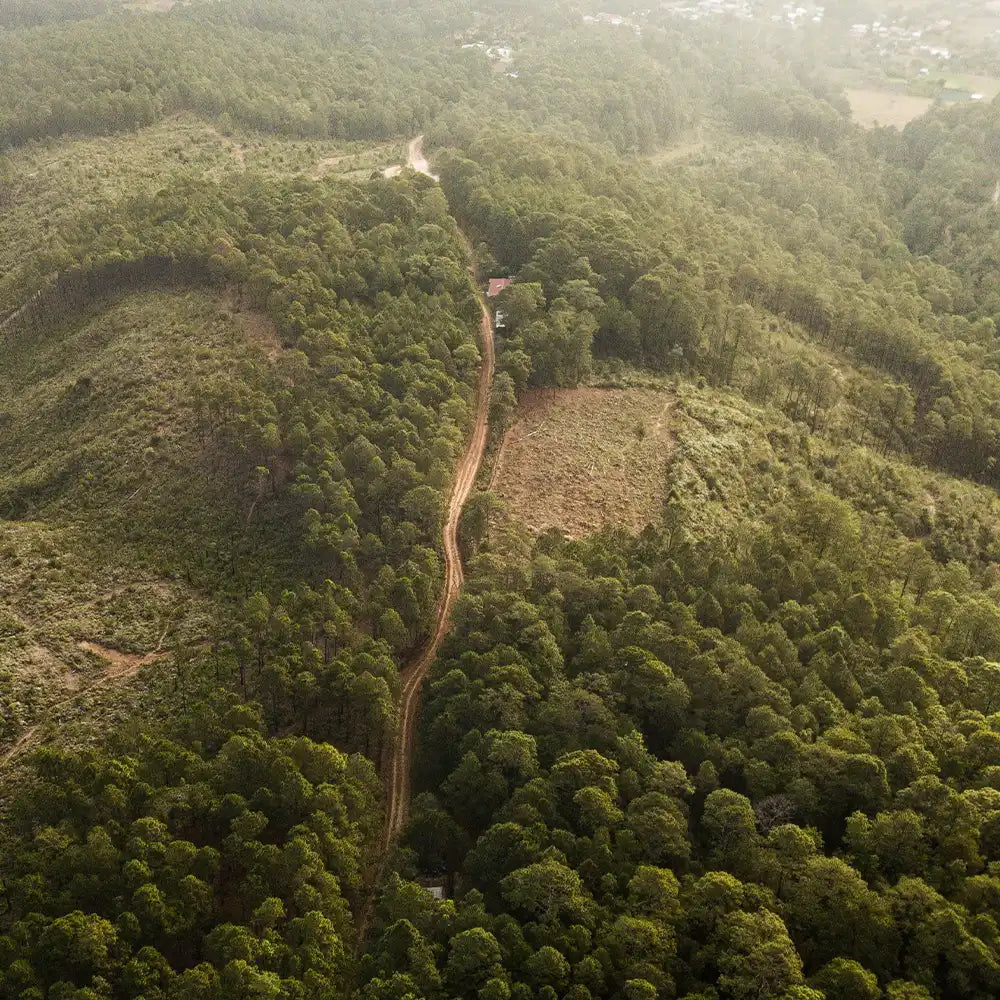
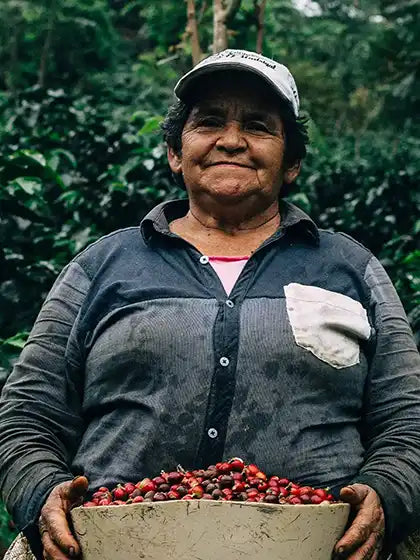
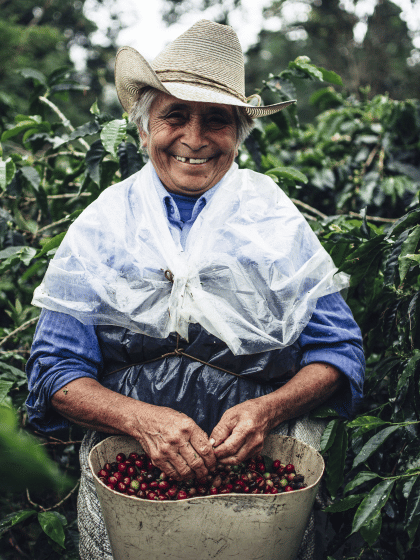
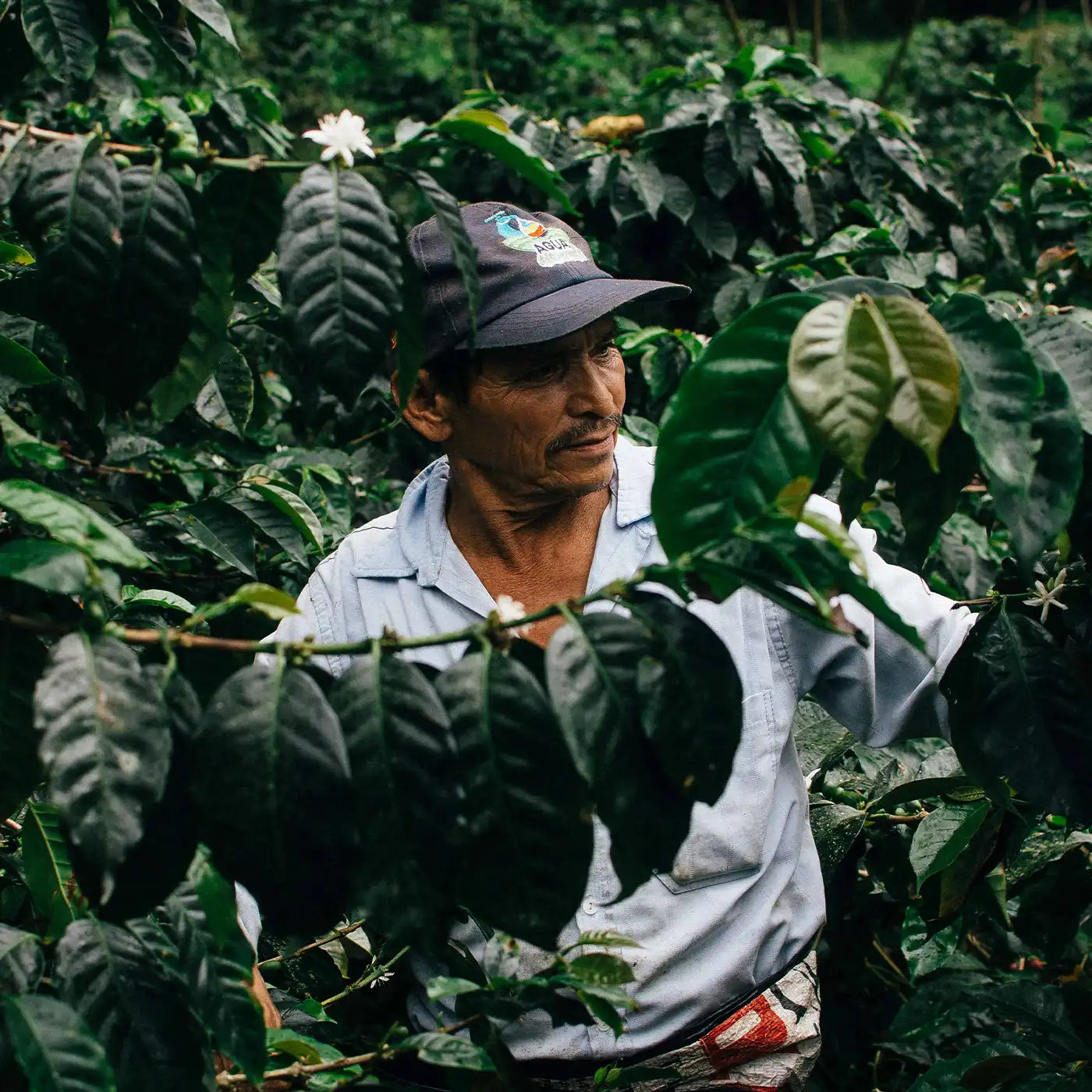
Regenerative forestry absorbs more CO₂, strengthens biodiversity, and reduces the need for pesticides and water consumption. And it actually contributes to the good taste of the coffee, as the coffee cherries take longer to ripen in the shade of other trees.
Anti-deforestation
EUDR
The EU has adopted several new laws to minimize member states' contributions to climate impacts and social exploitation. The EU Deforestation Regulation (EUDR) aims to ensure that products entering the EU have not contributed to deforestation.
We support the full implementation of the EUDR and help coffee farmers obtain the necessary documentation. We can already guarantee that our coffee is deforestation-free.

We keep nothing secret.
Gain insight with your ESG data
In an industry with a lot of poverty and unnecessary climate impact, transparency is our most important tool.
That's why we publish our purchase prices and climate impact every year - and there are no hidden links in our value chain. All our data is free to use for your own reporting and climate accounts.